


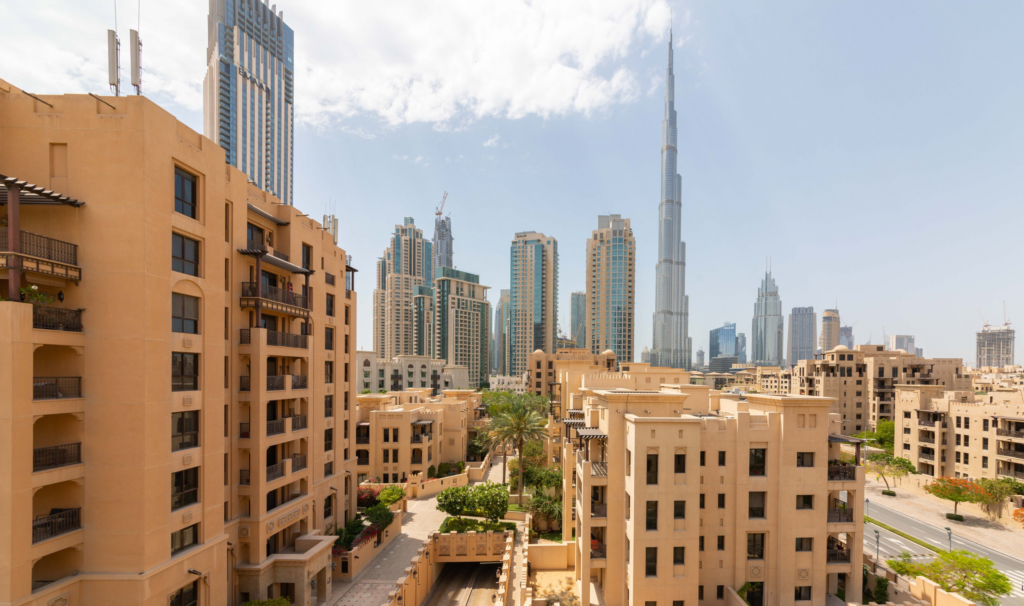
Traditional to Ultra-Modern
Dubai is a city known for pushing the boundaries of innovation, luxury, and architecture. Nowhere is this more evident than in its residential real estate market. Over the past few decades, the evolution of Dubai apartments has been nothing short of extraordinary. From modest low-rise buildings reflecting Emirati culture to dazzling skyscrapers equipped with AI-powered smart home technology, Dubai has transformed its skyline and lifestyle offerings in remarkable ways.
This blog takes a deep dive into the evolution of Dubai apartments, examining their traditional roots, the shift toward ultra-modern living, and the benefits and drawbacks that come with this transformation.
Traditional Dubai Apartments: A Cultural Foundation(1960s-1970s)
In the earlier days of Dubai, particularly before the oil boom of the 1960s and 70s, residential structures were rooted in practicality and culture. Apartments were primarily located in low-rise buildings made of coral stone, gypsum, and palm fronds. These homes featured:
- Wind towers (Barjeel) for natural ventilation
- Courtyards for family gatherings
- Modest interiors with minimalistic design
- Proximity to local souks and mosques
These apartments embodied the simplicity of life and reflected the community-centered values of Emirati society.
While not luxurious by modern standards, traditional apartments offered a strong sense of belonging, cultural identity, and practical living in a desert climate.
Mid-Stage Development: The Rise of Modernity (1980s–2000s)
With the rapid economic growth in the 1980s and 1990s, Dubai began investing in its infrastructure and real estate. This period saw the emergence of:
- High-rise residential towers
- Master-planned communities like Bur Dubai and Deira
- International architectural influences in design
- The introduction of gated communities
During this time, the evolution of Dubai apartments took a major leap forward. Developers started catering to the growing expat population and upper-middle class. Apartments featured better amenities like swimming pools, elevators, and underground parking. However, affordability and cultural diversity were still core values.
Ultra-Modern Era: The Rise of Futuristic Living (2010–Present)
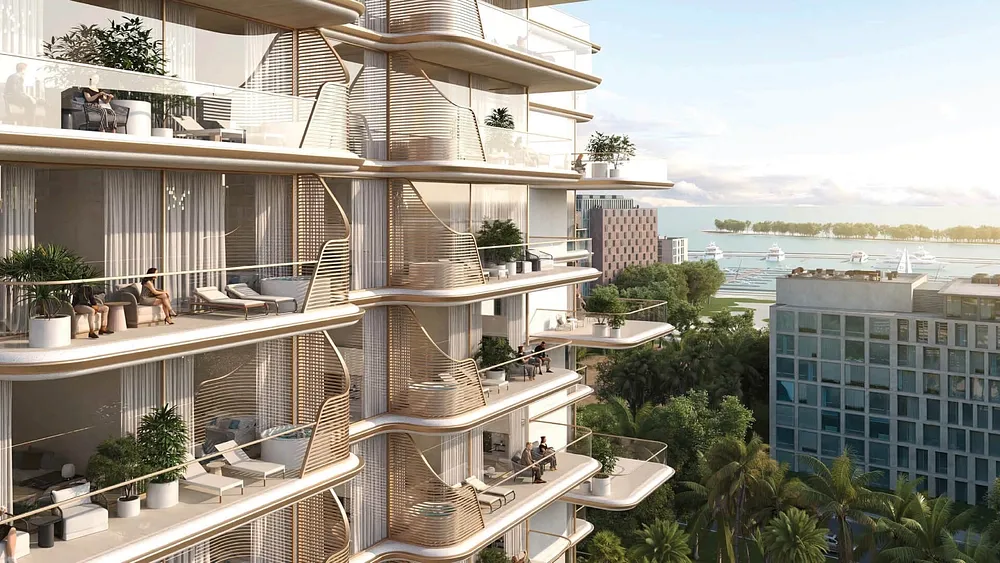
Dubai’s ambition reached new heights after 2010. The city now offers some of the most luxurious and technologically advanced apartments in the world. Features of today’s ultra-modern apartments include:
- Smart home systems: Control lights, climate, and security from your phone
- Sky gardens and infinity pools
- Eco-friendly buildings with LEED certifications
- AI-powered concierge services
- 24/7 security and luxury amenities
Notable developments include the Burj Khalifa Residences, Dubai Marina, and Jumeirah Lakes Towers. These communities offer not only a home but an entire lifestyle, with everything from fine dining to coworking spaces available within the same tower or complex.
This stage of the evolution of Dubai apartments represents a blend of technology, luxury, and international flair — often tailored to high-net-worth individuals and global investors.
Pros of the Evolution of Dubai Apartments
The transition from traditional to ultra-modern apartments brings a host of benefits:
1. Lifestyle Enhancement
Ultra-modern apartments offer a luxury lifestyle with access to gyms, pools, spas, and exclusive lounges. It’s a massive leap in quality of life.
2. Technological Convenience
Smart homes increase security, save energy, and enhance comfort. Residents can monitor and control systems remotely, which is ideal for frequent travelers.
3. Economic Growth
The real estate boom has created jobs, attracted foreign investment, and boosted tourism — all contributing to Dubai’s GDP.
4. Global Appeal
Modern apartments appeal to international buyers and expats, turning Dubai into a global real estate hub.
Cons of the Evolution of Dubai Apartments
Despite the many benefits, there are some drawbacks to consider:
1. Loss of Cultural Identity
Many new developments ignore traditional Emirati design elements. This detachment from heritage can lead to a loss of cultural depth and authenticity.
2. Affordability Crisis
High-end apartments often come with high price tags, making it difficult for middle and lower-income residents to afford quality housing.
3. Overdevelopment Risks
Dubai’s rapid construction can lead to oversupply, driving prices down and impacting long-term investment returns.
4. Environmental Concerns
Despite moves toward sustainability, the sheer scale of construction and energy use in high-rises has environmental implications.
The Future of Dubai Apartments
Looking ahead, the evolution of Dubai apartments is likely to continue, but with new trends taking shape:
- Sustainability: Future developments are expected to be greener, with solar power, water-saving systems, and carbon-neutral construction.
- Mixed-use communities: Developments that combine residential, commercial, and recreational spaces are on the rise.
- AI and automation: Homes will become even more intuitive and adaptive to residents’ needs.
Dubai is also exploring affordable luxury, aiming to offer high-end amenities at more accessible price points to appeal to a wider audience.
Looking to buy or rent an apartment or villa in Dubai?
Whether you’re drawn to the charm of traditional architecture or the sleek luxury of ultra-modern living, Part Group is your ultimate destination.
Have questions about buying or renting apartments and villas in Dubai?
Want expert advice on the latest listings or the best neighborhoods?
Our friendly team at Part Group is here to help you every step of the way.
You want to know more about Dubai State? Here is the original website of Dubai .